
06 Oct Pest control in sectional title schemes: A practical guide
Pest control in sectional title schemes can be challenging. Shared walls, communal gardens, refuse areas, parking facilities and drainage systems mean that pests can move easily between units and common property. Cockroaches, ants, rodents, mosquitoes, flies, termites and bedbugs can all become problems if conditions are favourable.
The good news is that most pest infestations can be reduced through preventative maintenance, good housekeeping and early intervention.
Common pests in sectional title schemes
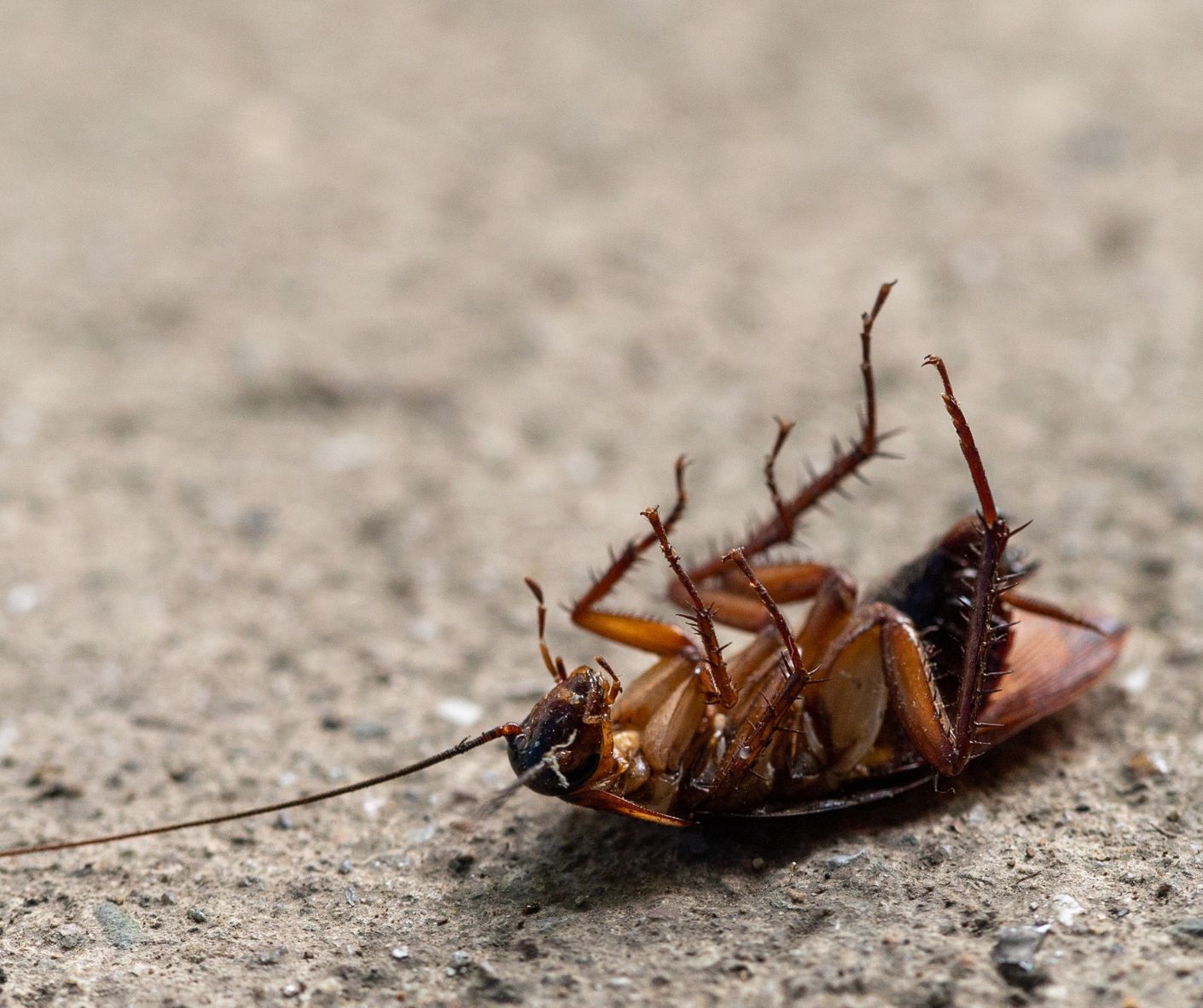
Cockroaches are attracted to food, moisture, rubbish and warm, hidden spaces. Ants often enter buildings looking for food and water, while rats and mice are attracted to accessible refuse, food and sheltered nesting areas.
Mosquitoes and flies thrive where there is standing water, organic waste or poor sanitation. Termites can cause significant structural damage, particularly where timber, dampness or soil conditions provide favourable environments. Bedbugs can spread between units through luggage, furniture, clothing and shared spaces.
Birds can also become a nuisance when they nest on roofs, balconies or in building cavities, creating noise, mess and potential hygiene problems.
Prevention starts with maintenance
Effective pest control starts long before an infestation appears. Trustees, managing agents and owners can reduce pest risks by:
- Keeping refuse areas clean and bins securely closed.
- Removing standing water from gardens, gutters and other communal areas.
- Repairing leaking pipes, taps and drainage systems promptly.
- Sealing cracks, gaps and openings around doors, windows and service pipes.
- Keeping gardens maintained and avoiding excessive vegetation against buildings.
- Storing food in sealed containers.
- Cleaning kitchens and communal areas regularly.
- Reporting signs of pests before the problem spreads.
Regular inspections of common property can identify potential nesting areas, water sources and entry points before they become larger problems.
Owner responsibility: Wood-destroying pests
Owners also have specific responsibilities when it comes to wood-destroying pests. According to Paddocks’ guidance on the Prescribed Rules, a section owner must keep their section free of wood-destroying insects, including white ants (termites) and borer beetles.
Owners must also allow the trustees, managing agent or their duly authorised employees or agents to enter the section, on reasonable notice, to inspect for these pests and take any action reasonably necessary to eradicate them. This can include replacing damaged woodwork and other materials.
Importantly, the body corporate must recover the costs of the inspection and replacement from the owner of the affected section. This highlights why early reporting and preventative pest control are important: an infestation that is allowed to develop can result in both property damage and costs for the individual owner.
Seasonal pest control tips
Pest activity often changes with the seasons.
Spring and summer: Warmer weather increases insect activity. Schemes should pay particular attention to mosquitoes, ants, cockroaches and flies. Remove standing water, check gutters and drains, and keep refuse areas clean.
Autumn: Rodents and other pests may start looking for warmer, sheltered areas as temperatures fall. Inspect buildings for gaps and seal possible entry points.
Winter: Although some pests become less active, indoor infestations can become more noticeable as rodents and cockroaches seek warmth. This is a good time to inspect roofs, service ducts, storage areas and building cavities.
What to do when there is an infestation
Once pests become established, identify the problem before choosing a treatment. A professional pest-control company can determine the type and extent of infestation and recommend an appropriate solution.
Depending on the pest, treatment may include traps, bait stations, targeted insecticide applications, heat treatment or professional fumigation. Where common property is affected, trustees should coordinate the response rather than leaving individual owners to treat the problem independently.
It is also important to address the cause, not just the symptoms. Spraying cockroaches without fixing a leaking pipe or accessible food source, for example, may provide only temporary relief.
Environmentally friendly pest control
Where practical, schemes can consider Integrated Pest Management (IPM). This approach prioritises prevention, sanitation, sealing entry points, monitoring, traps and targeted treatments before resorting to widespread pesticide application.
The benefits include reduced chemical use, lower environmental impact and potentially less exposure for residents, children and pets. However, IPM can require more monitoring and may take longer to control a serious infestation.
If pesticides are necessary, targeted treatment by a qualified professional is generally preferable to indiscriminate spraying. Residents should be informed about treatment schedules and any precautions regarding pets, children and access to treated areas.
Final thoughts
Pest control is a shared responsibility in sectional title schemes. Owners, trustees and managing agents all have a role to play in preventing conditions that attract pests and reporting problems early.
A proactive approach to pest prevention, building maintenance and environmentally responsible pest control can help protect property, reduce health risks and prevent a small pest problem from becoming a costly community-wide infestation.